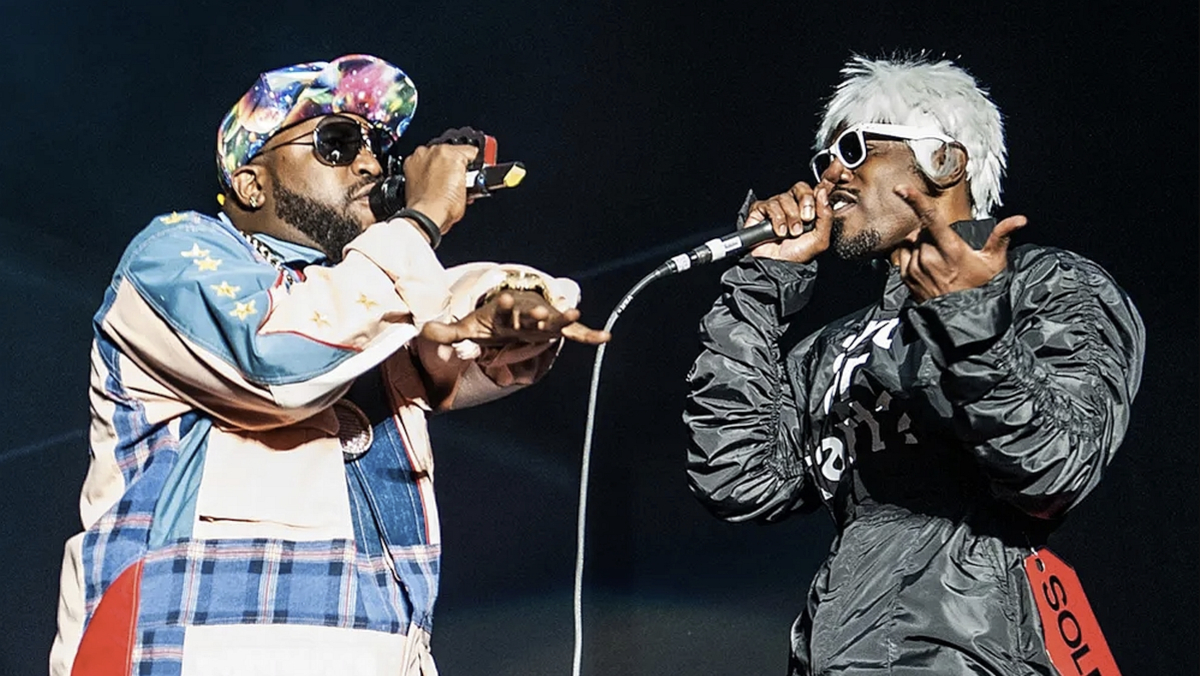
The world of hip-hop and intellectual property rights has been shaken by a recent lawsuit filed by the iconic duo, OutKast. In a surprising turn of events, the Atlanta-based rappers are taking legal action against an Oakland-based artist, Ovrkast, claiming malicious intent behind his chosen stage name. This story raises intriguing questions about artistic expression, brand protection, and the fine line between inspiration and imitation.
The Battle of Names
OutKast, known for their innovative sound and cultural impact, have built a formidable brand over the years. Their holding company, High Schoolers LLC, is now seeking legal recourse against Silas Wilson, the man behind the alias Ovrkast. The lawsuit alleges trademark infringement, unfair competition, and breach of contract, painting a picture of deliberate deception.
The complaint highlights OutKast's efforts to safeguard their name, detailing negotiations with Wilson in 2025 and 2026. An agreement was seemingly reached to phase out the use of Ovrkast, but Wilson's continued use of the name has sparked this legal battle. OutKast believes this was a calculated move, an intentional attempt to trade on their goodwill and reputation.
A Tale of Confusion and Intent
One of the key pieces of evidence cited is a 2025 interview where Ovrkast acknowledged that people often read his name as Outkast. This, according to the complaint, demonstrates the public's confusion and the potential for association. The hip-hop duo further claims that Wilson's actions were not only intentional but also malicious, a narrative that adds a layer of moral judgment to the case.
Implications and Reflections
This lawsuit delves into the complex relationship between artists and their names, raising questions about the limits of artistic freedom and the protection of established brands. While it's natural for artists to draw inspiration from their influences, the line between homage and infringement can be blurred. In my opinion, this case highlights the importance of understanding the legal boundaries within the creative industry.
What makes this particularly fascinating is the potential impact on the music industry. If OutKast's lawsuit is successful, it could set a precedent for how artists protect their brands and handle similar situations in the future. It raises a deeper question: How far can artists go in adopting names or styles that resemble established icons without crossing the line into legal territory?
A Step Towards Clarity
As we await Wilson's response to the allegations, this lawsuit offers an opportunity for the music industry to reflect on the balance between creativity and commercial interests. It's a reminder that while artistic expression is vital, so too is the protection of intellectual property rights. This case might just be the catalyst for a much-needed conversation about the ethical and legal boundaries within the hip-hop community.
In conclusion, the OutKast vs. Ovrkast lawsuit is a captivating narrative that blends art, business, and legal intricacies. It's a story that will undoubtedly leave a mark on the industry, shaping the way artists and their brands are perceived and protected.